
What Qualifies as an HVAC Emergency? A Guide for Central Florida Homeowners
What Qualifies as an HVAC Emergency? A Guide for Central Florida Homeowners
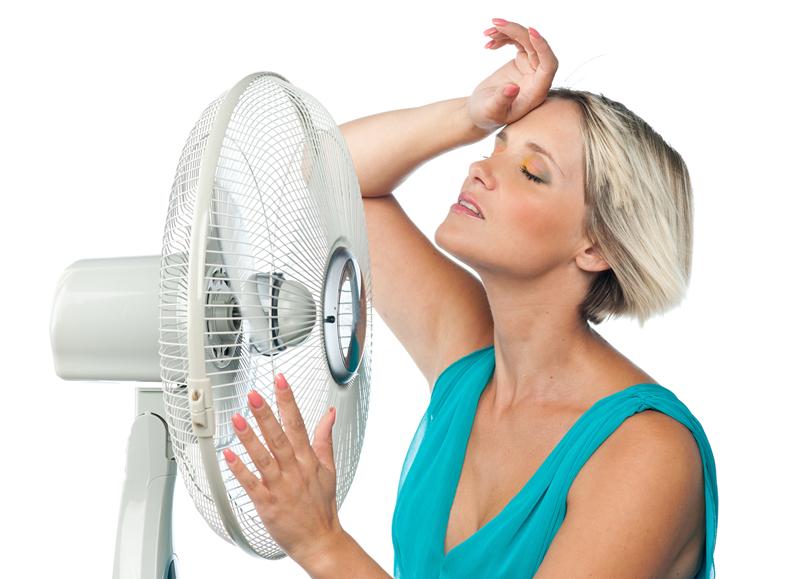
When your air conditioning stops during a Central Florida heat wave, it is more than an inconvenience. It can become unsafe, especially for children, older adults, and pets. This guide explains what truly counts as an HVAC emergency, what can wait, and how Maintenance Plus, Inc Air & Heat responds to urgent calls across communities like Orlando, Kissimmee, Winter Park, Oviedo, and Altamonte Springs.
Don't wait if you think you need emergency HVAC - call us immediately at 352-821-1700.
When Is It Truly an HVAC Emergency in Central Florida?
Air conditioning is essential in our climate. Indoor heat and humidity rise fast when the system fails, which can lead to heat-related stress and damage to belongings. If your home temperature is climbing quickly or humidity is condensing on walls and windows, treat the situation with urgency.
- No cooling or warm air blowing during extreme heat, especially if indoor temperatures soar and vulnerable family members are present.
- System will not turn on, cycles off within seconds, or the thermostat is blank even after new batteries.
- The outdoor unit is silent while the indoor blower runs or the outdoor fan runs, but the air stays warm inside.
- Ice visible on the refrigerant lines or air handler, or a heavy frost on the outdoor unit.
- Active water near the air handler, ceiling stains below attic units, or a wet safety switch shutting the system down.
Any of these can signal a failure that risks your comfort, your safety, or your property. Addressing them quickly helps prevent secondary damage like soaked ceilings or mold growth.
Electrical Smells And Sounds You Should Never Ignore
HVAC systems rely on high-voltage components. Certain smells or sounds are red flags that should be treated as emergencies because they point to potential fire or shock hazards.
Burning or melting odors are an emergency. If you smell hot plastic, singed wiring, or smoke from vents or around the air handler, stop using the system and seek immediate service. Avoid resetting breakers repeatedly. Keep family members away from the equipment until a professional evaluates it.
Electrical popping, sparking, or repeated breaker trips call for immediate service. Clicking is normal at startup, but loud pops, buzzing that grows louder, or breakers that trip again right after a reset can indicate failing capacitors, motors, or wiring problems. Continued operation can worsen the damage.
In homes around Sanford, Winter Garden, and Lake Mary, brief power outages and lightning are common in summer storms. Power surges can stress starter components and control boards. If your outage was followed by new noises, odors, or a failed restart, consider that an emergency.
Refrigerant Leaks And Frozen Systems
Refrigerant leaks reduce cooling, drive up energy use, and can harm the compressor if ignored. You might notice hissing at the lineset, oily residue at fittings, or warm air despite long run times. A frozen coil often points to restricted airflow or low refrigerant, and ice can spread down the copper lines.
Refrigerant leaks and frozen coils require a licensed technician and should not be ignored. Running a system while frozen can force liquid refrigerant into the compressor and cause major failure. Shut the system off and let it thaw naturally. Do not chip ice or open sealed panels. A professional will check airflow, verify charge, and locate the source of the leak.
In coastal-influenced parts of Central Florida, salt air and moisture can accelerate corrosion on outdoor coils and fittings. If your unit is near irrigation overspray or heavy landscaping, corrosion can progress faster. Swift attention protects the system from escalating wear.
Water Leaks, Drain Backups, And Indoor Air Risks
High humidity makes condensate management critical. Air handlers often sit in attics or closets above finished spaces. Clogged drains or failed float switches can cause water to overflow, damaging drywall, insulation, and flooring.
- Standing water in the drain pan or a triggered float switch that shuts the system down.
- Persistent musty smells from supply vents that coincide with visible moisture near the air handler.
- Ceiling stains under attic units in neighborhoods with two-story homes, such as parts of Clermont and Ocoee.
If water is present or your ceiling is damp, take the situation seriously. Running the system may worsen the leak. Prompt professional service helps prevent mold growth and structural damage.
How Central Florida Weather Makes Emergencies More Urgent
From May through September, afternoon heat and storms dominate daily life. The combination of high heat and humidity means a short outage can make a home uncomfortable fast. During heat advisories, even healthy adults can feel exhausted and dehydrated indoors without cooling.
Our storm patterns also bring frequent lightning and brief outages. These events can cause surges that weaken capacitors and control boards, which might not fail immediately but then give out on the next hot day. If your system struggled after a storm or started short cycling, that points to an urgent problem.
Homes in older Central Florida neighborhoods may have air handlers and ducts that operate near their limits in extreme heat. If a system that typically performs well suddenly cannot reach the setpoint during a heat wave, consider it time-sensitive. Quick diagnostics can confirm whether the issue is electrical, refrigerant-related, or airflow-driven.
What Can Wait Until Normal Hours
Not every AC hiccup is an emergency. If indoor temperatures are stable and you notice minor issues that do not involve burning odors, electrical symptoms, or active leaks, it may be safe to wait for a regular appointment.
Examples that often can wait include a single vent with lower airflow when the rest of the home is comfortable, a brief rattle that stops after startup, or a thermostat scheduling question. Even so, document what you see so your technician can diagnose quickly.
Bringing you the best HVAC services
Complete Heating & Cooling Services
Cooling Services
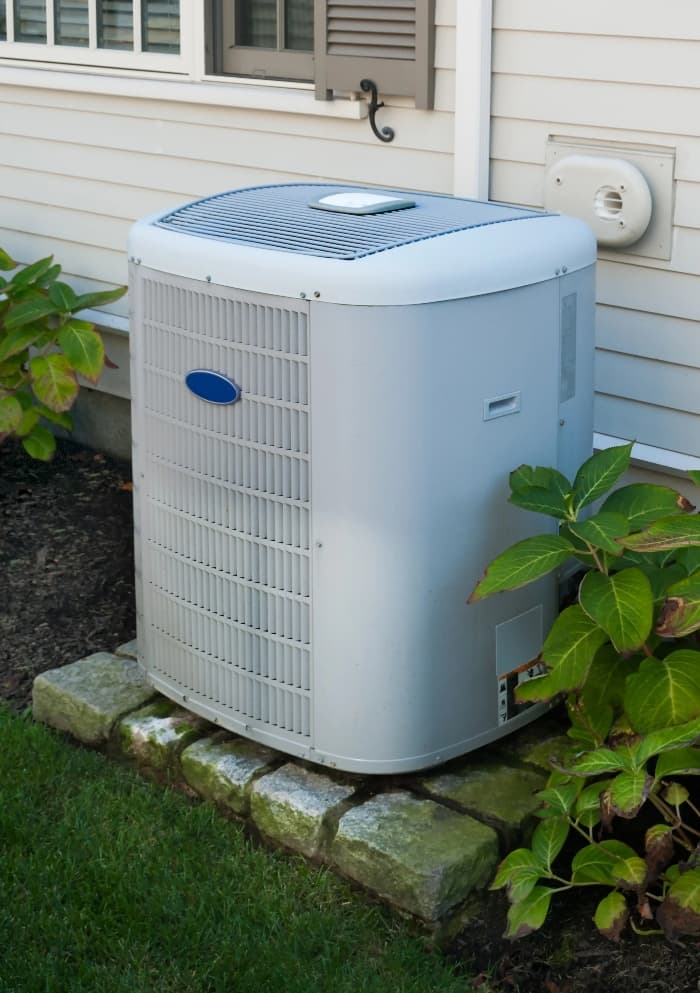
Stay comfortable during the hottest months with professional cooling services from Maintenance Plus, Inc Air & Heat. We repair, replace, install, and maintain air conditioning systems for residential and commercial properties. Whether your AC isn't cooling properly, is making unusual noises, or has stopped working altogether, our experienced technicians will diagnose the issue and recommend the best solution. We install dependable Bryant systems and work efficiently to restore reliable, energy-efficient comfort to your property.
Heating Services
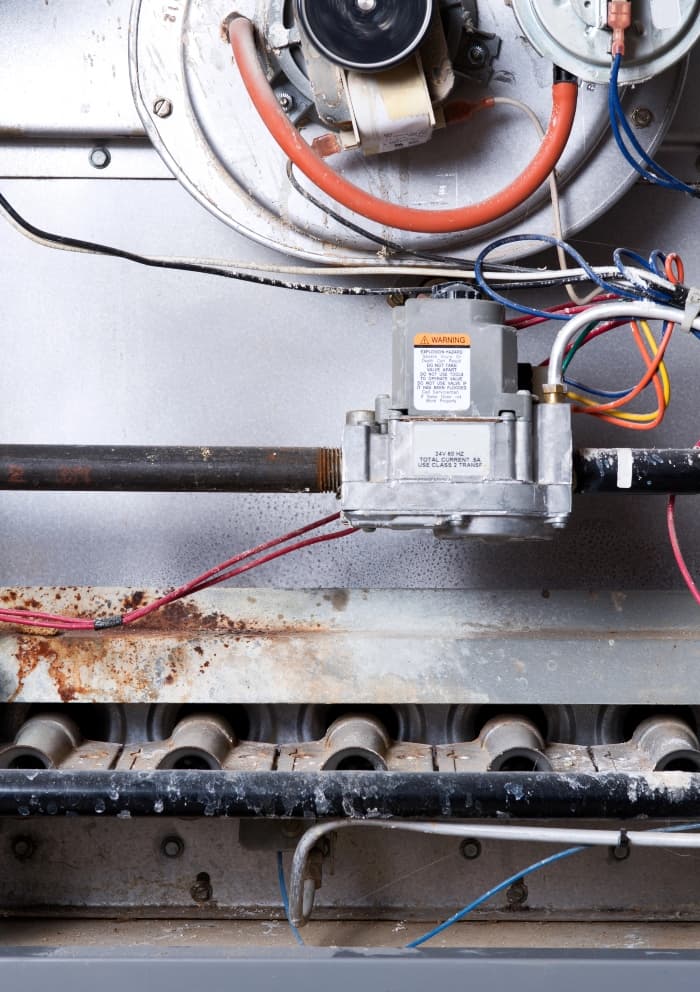
When cooler temperatures arrive, you need a heating system you can rely on. Maintenance Plus, Inc Air & Heat provides expert heating services, including furnace repairs, heat pump service, new system installations, and complete replacements. Our technicians work with quality Bryant equipment and service many major brands to keep your home or business warm and comfortable. We focus on dependable workmanship, honest recommendations, and lasting solutions that maximize system performance and efficiency.
HVAC Maintenance
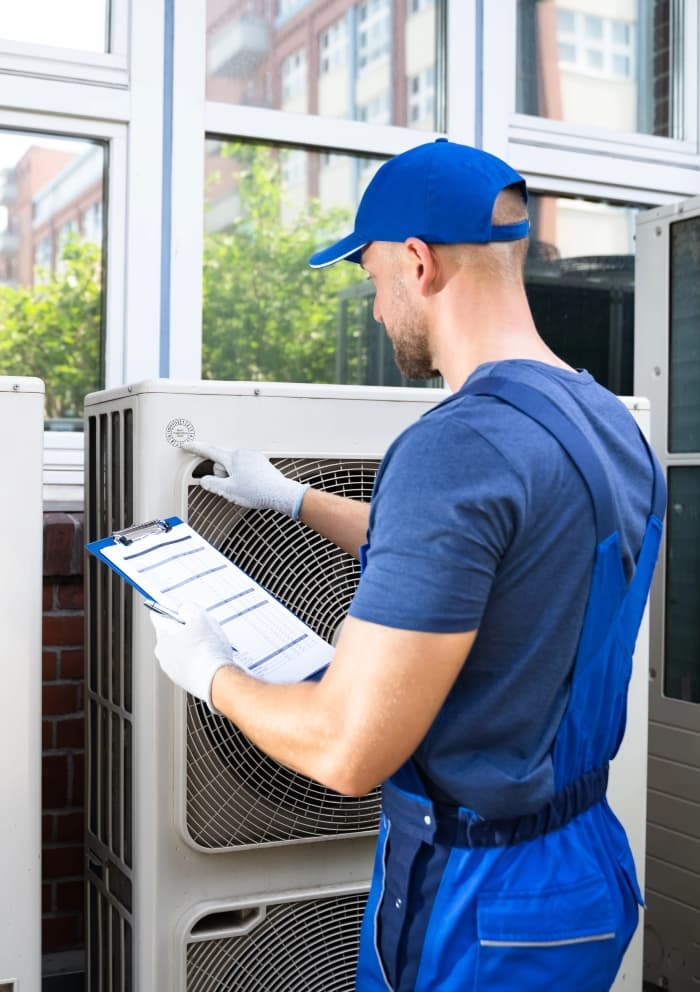
Routine HVAC maintenance helps protect your investment while improving system performance and energy efficiency. At Maintenance Plus, Inc Air & Heat, our preventative maintenance services include thorough inspections, cleaning, performance testing, and identification of potential issues before they become costly repairs. Regular maintenance can extend the lifespan of your equipment, reduce unexpected breakdowns, and help maintain consistent indoor comfort throughout the year. Our maintenance plans make it easy to keep your HVAC system operating at its best.
What To Expect From An Emergency HVAC Visit
When you call Maintenance Plus, Inc Air & Heat, you will speak with a trained coordinator who asks a few targeted questions about temperatures, odors, noises, and moisture. This triage helps prioritize high-risk situations like no cooling during extreme heat, burning smells, electrical symptoms, refrigerant leaks, and frozen coils.
On site, a licensed technician inspects safety conditions first. They assess the electrical system, controls, airflow, and refrigerant circuit, then explain clear next steps. In many cases, restoring safe operation the same day is possible. If a specialty part is needed, you will receive an action plan and timeline you can rely on.
Maintenance Plus, Inc Air & Heat focuses on communication throughout the visit so you know what is happening and why it matters. In Central Florida's climate, reducing downtime is a top priority, and transparency helps you plan while we work.
How To Stay Safe And Comfortable Until Help Arrives
While you wait for service, focus on safety and comfort rather than troubleshooting. Keep family members in the coolest room, close blinds on sunny sides of the house, and limit heat-generating activities. If you notice burning odors or active leaks, avoid the area until a professional arrives. Pets also feel heat stress, so give them cool water and a shaded space.
If you or anyone in the home shows signs of heat-related illness, seek medical help and consider a temporary cool location. Safety comes first in our climate.
Why These Issues Count As Emergencies
Central Florida homes face three big risks when cooling fails: unsafe indoor conditions, electrical hazards, and moisture damage. Electrical problems can escalate quickly. Moisture can spread through drywall and insulation. Prolonged heat can also cause food spoilage, floor expansion, and damage to electronics.
By treating major symptoms as emergencies, you protect your family and your property. You also give your technician the best chance to solve the root cause before it multiplies into larger repairs.
Preventing Emergencies With Professional Maintenance
Routine maintenance reduces surprise breakdowns. During a professional service visit, a technician verifies electrical components, inspects coils, confirms refrigerant levels, clears the condensate path, and checks airflow. This proactive attention helps spot small problems before they become urgent on a hot July afternoon.
In areas with heavy pollen or coastal moisture, maintenance is especially helpful for keeping coils clean and drains clear. Ask about seasonal tune-ups that align with Central Florida's weather patterns so your system is ready before peak heat and storm season.
Real-World Scenarios Central Florida Homeowners Face
Here are examples of situations that often justify urgent service in our region:
- After a lightning-filled storm, the outdoor unit hums but does not start, followed by a hot plastic smell. This points to a stressed start component or wiring and needs immediate attention.
- You notice oily residue on the lineset insulation and declining cooling in your Oviedo townhouse. That suggests a refrigerant leak that can snowball into a compressor issue if ignored.
- Your attic air handler in Winter Park shuts down, and a ceiling spot appears. That indicates a drain backup or pan overflow that can spread quickly.
In each case, fast action limits damage and helps the system recover sooner.
Clear Answers To Common "Is This An Emergency?" Questions
Every home and system is different, but these guidelines can help you make quick decisions:
Electrical smells or visible smoke mean stop and call immediately. Safety outweighs comfort. Do not keep trying to run the system.
If your home is steadily warming with high humidity and the system is not cooling, treat it as urgent. Central Florida's climate makes heat build-up fast, particularly in second-floor rooms and sun-facing spaces.
If you see ice or hear refrigerant hissing, avoid running the system and request service. If water is leaking or a ceiling stain is growing, protect the area and get help right away.
Service You Can Trust Across Central Florida
From Downtown Orlando condos to single-family homes in Clermont and Maitland, Maintenance Plus, Inc Air & Heat understands how quickly comfort can slip in our weather. We are equipped to respond to urgent calls for complete system failures, burning odors, electrical issues, refrigerant leaks, and frozen systems. Our goal is to restore safe, reliable cooling as fast as possible and explain exactly what we find so you can make confident decisions.
Need Emergency HVAC Help Right Now?
Need emergency HVAC service in Central Florida? Contact Maintenance Plus, Inc Air & Heat now for a rapid response.
Speak with a dispatcher at 352-821-1700. Share what you are experiencing and where you are located so we can prioritize your call and send a licensed technician prepared for your situation.
How Can We Help?
Protect Your HVAC Investment. Contact Our HVAC Experts Today!
Our commitment to precision and quality is built around your project’s success. Driving meaningful progress from start to finish.